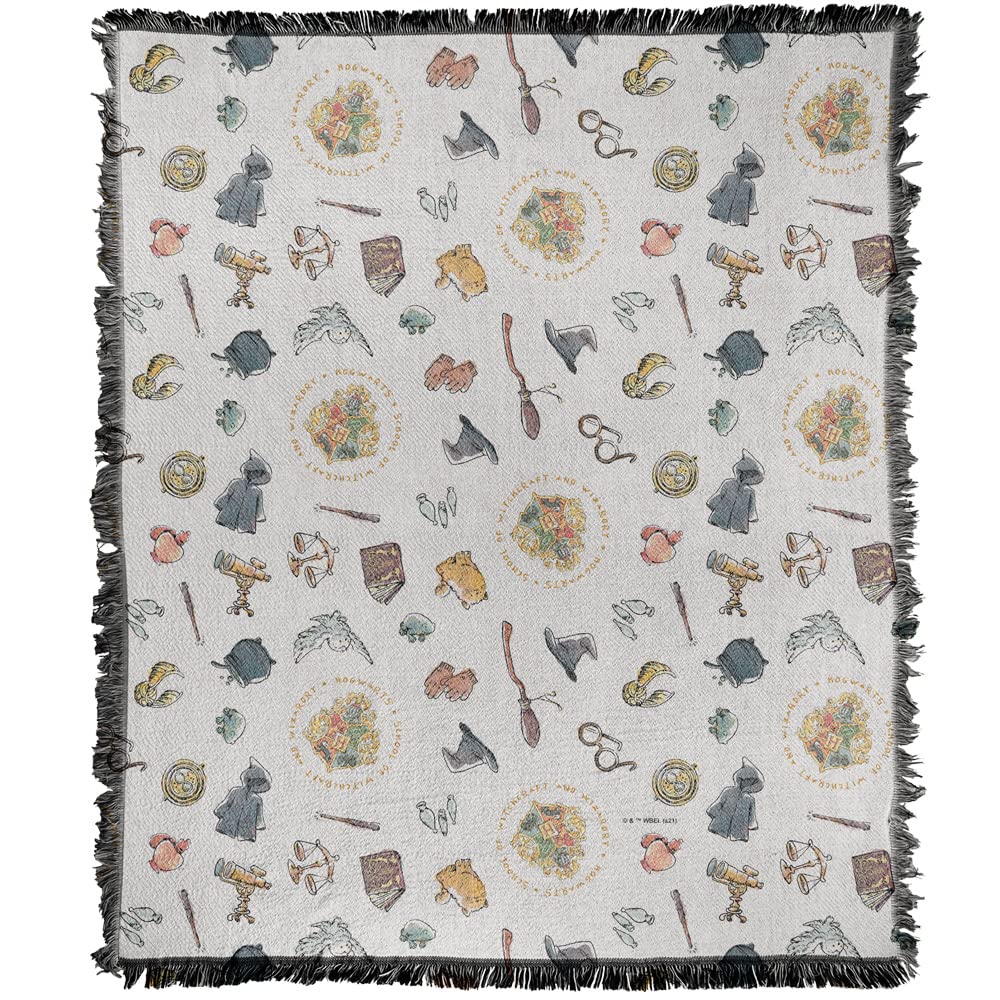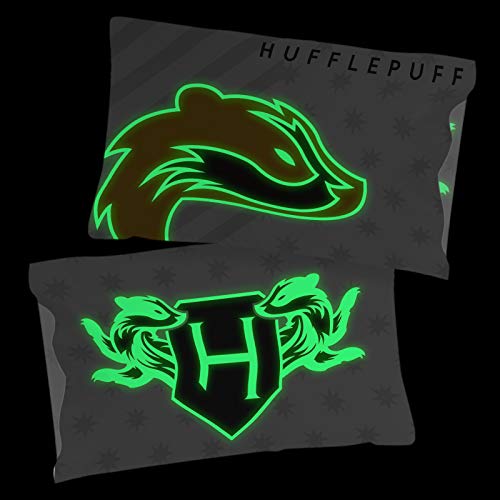



jay franco harry potter
Microfiber and polyester are both synthetic fabrics that have become increasingly popular in recent years. These materials offer a range of benefits that have made them a staple in various industries and applications.
Microfiber is a synthetic fabric that is made from very fine, densely woven fibers. These fibers are typically less than one-tenth the diameter of a human hair, which gives microfiber a soft, smooth, and velvety feel. The small size of the fibers also allows them to trap more dust, dirt, and moisture than traditional fabrics, making microfiber an excellent choice for cleaning and drying applications.
Microfiber's versatility has led to its widespread use in a variety of products, including cleaning cloths, mops, and upholstery. Its ability to absorb and trap dirt and moisture makes it a highly effective cleaning tool, while its durability and easy maintenance make it a practical option for home and commercial use.
Polyester, on the other hand, is a synthetic fabric that is made from long chains of polymer molecules. Unlike natural fibers like cotton or wool, polyester is created through a chemical process that involves the combination of petroleum-based products. This manufacturing process gives polyester a distinctive appearance and set of properties that make it a popular choice for a wide range of applications.
One of the primary advantages of polyester is its durability. Polyester fabrics are highly resistant to wrinkles, shrinkage, and fading, making them a practical choice for clothing, upholstery, and other textiles. Additionally, polyester is quick-drying and requires minimal maintenance, making it a convenient option for both personal and commercial use.
Another key benefit of polyester is its versatility. This synthetic fabric can be woven, knitted, or blended with other materials to create a wide range of fabrics, from lightweight and breathable to heavy and insulating. This versatility has led to the widespread use of polyester in everything from athletic wear and formal attire to home furnishings and industrial applications.
Despite their differences, both microfiber and polyester share a common characteristic: their ability to provide durable, practical, and cost-effective solutions for a variety of needs. As synthetic fabrics, they offer advantages over natural fibers in terms of performance, ease of care, and environmental impact. As the demand for sustainable and efficient materials continues to grow, the popularity of microfiber and polyester is likely to remain strong in the years to come.
product information:
| Attribute | Value |
|---|